Blog
Measured notes
Practical notes on ICP drift, AI visibility, and the evidence loops small teams can verify for themselves.

Is your site readable by AI crawlers? A quick check
A short technical checklist small teams can run to make sure answer-engine crawlers can reach and read their key pages.

7 things AI Overviews change for small SaaS teams
How AI-generated summaries in search change the way small SaaS teams should think about visibility, with practical steps and no hype.
The AI search SEO checklist: 12 things to check
A practical 12-point SEO checklist for small SaaS teams who want answer engines and search engines to read their site correctly.

Baselines: why the first scan matters most
Why a careful first scan becomes the reference point for every later comparison, and how to keep later scans comparable.

Five site changes worth remeasuring after
Some site updates are worth a follow-up scan. Here are five common ones, and how to keep the before and after comparable.
Monitored prompts: choosing the questions your buyers actually ask
Your visibility measurement is only as good as the prompts behind it. How to pick a small, honest set of buyer questions.

Citations vs mentions: two different signals
Why being named in an AI answer and being cited as a source are different observations, and how to read each one.

What to put in a client SEO report: 8 sections founders actually read
An eight-section structure for SEO and AI visibility reports that busy founders can read in five minutes, based on the heyEO demo report.
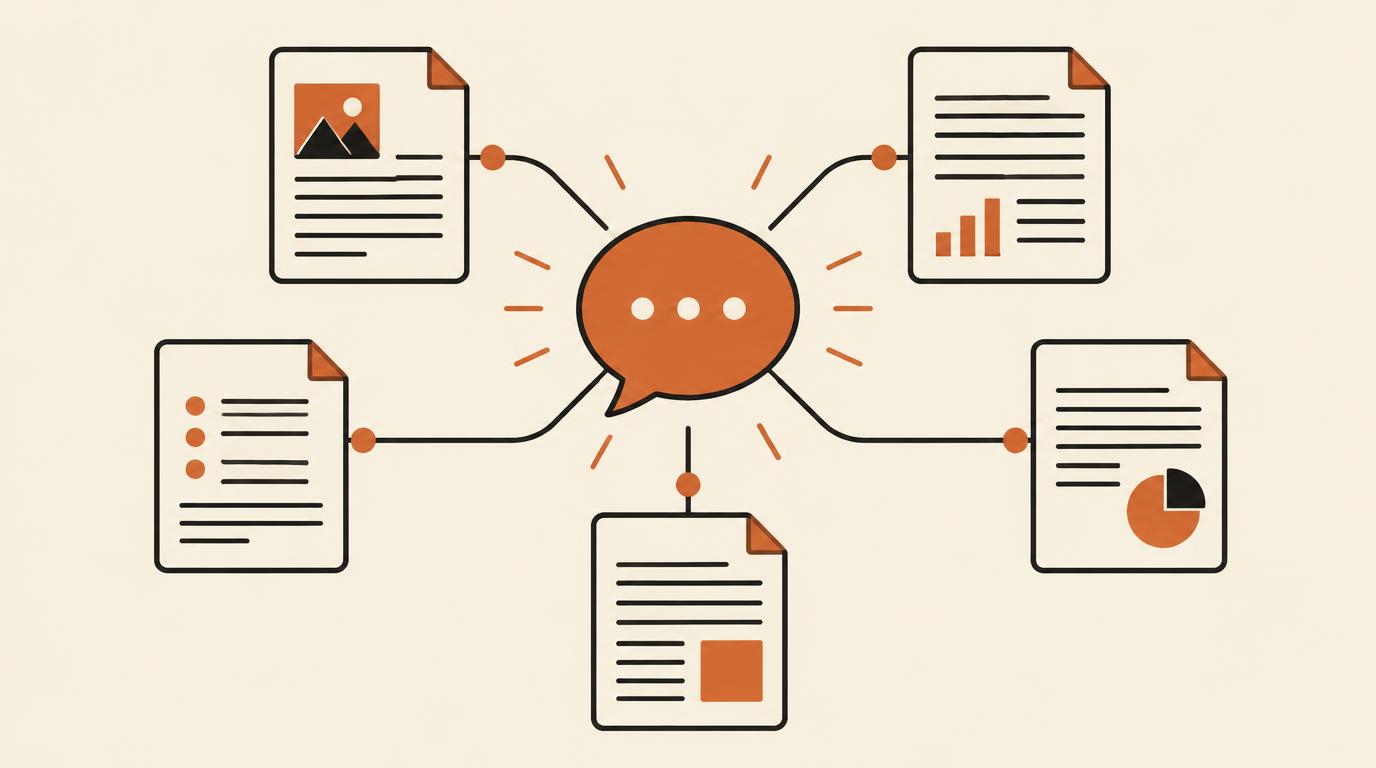
How AI-powered search engines pick sources: 6 signals to get right
Six signals small teams can control that make a page easier for AI-powered search engines to read, trust and cite.
How AI answer engines decide which brands to name
What small SaaS teams can observe about why an answer engine names some brands and not others, and which parts are measurable.
10 prompts to track your brand in AI answers
Ten example buyer questions to monitor in AI answer engines, built from real pain points and buying triggers rather than product jargon.
What an AI visibility score can and can't tell you
An AI visibility score is a useful summary of sampled answers. Here is what it reflects, where it stops, and how to read it calmly.
A 30-minute weekly AI visibility routine for small teams
A lightweight weekly routine for founders and solo marketers to review AI visibility, site health, and audience alignment without a dedicated SEO team.

Writing a clear 'who it's for' paragraph
A simple structure for describing your ideal customer on your homepage so people and AI models read the same audience you intend.

We scanned our own homepage. Here’s what 65% ICP alignment actually meant
Our own ICP report found no missing declared audience values, but it did find 11 additional signals. Here is how we read that result without treating it as a site score.

ICP drift: how to tell when your website is speaking to the wrong buyer
ICP drift is the gap between the audience you intend to reach and the audience your published content appears to serve. Here is how to inspect that gap without chasing a score.
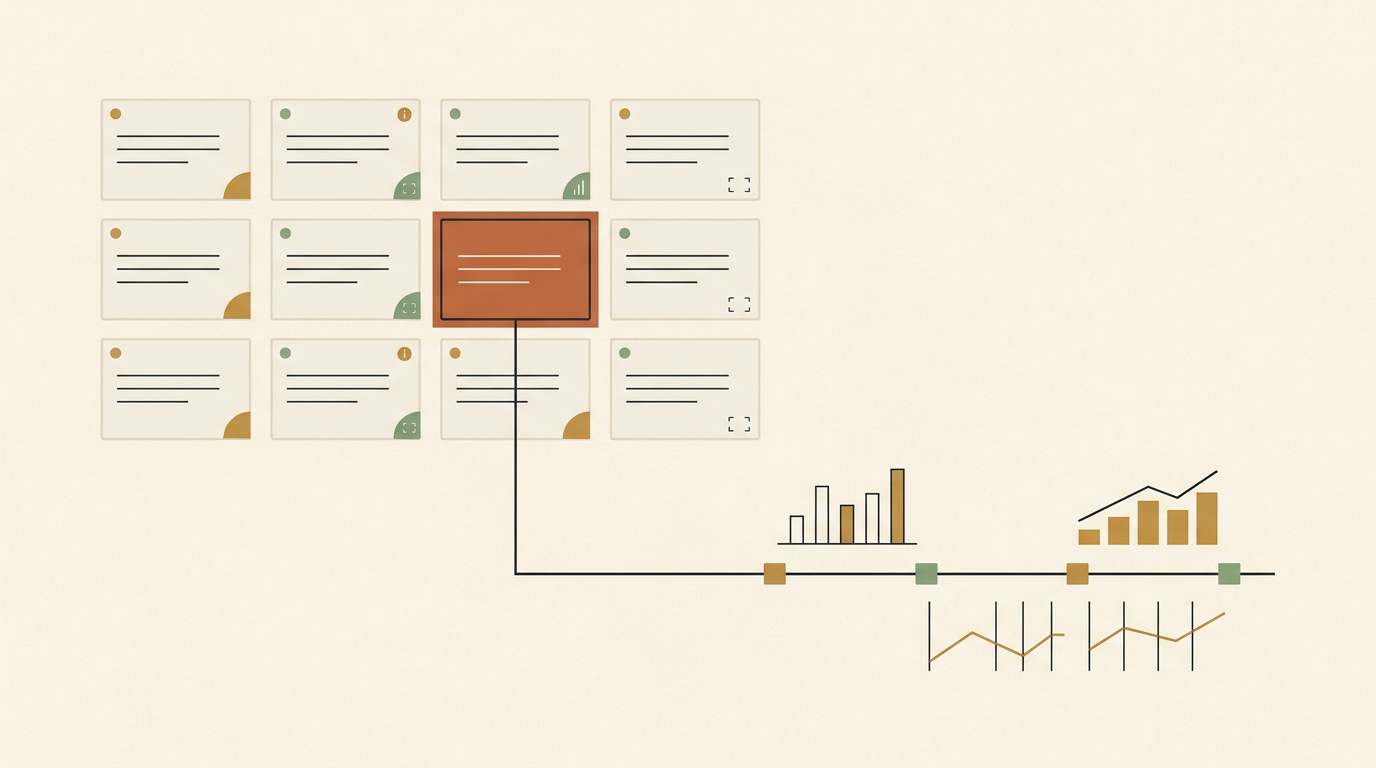
Why measured AI visibility beats vanity mention counts
heyEO records what answer engines actually returned — not screenshots or gut feel — so founders can see whether a change moved the evidence.
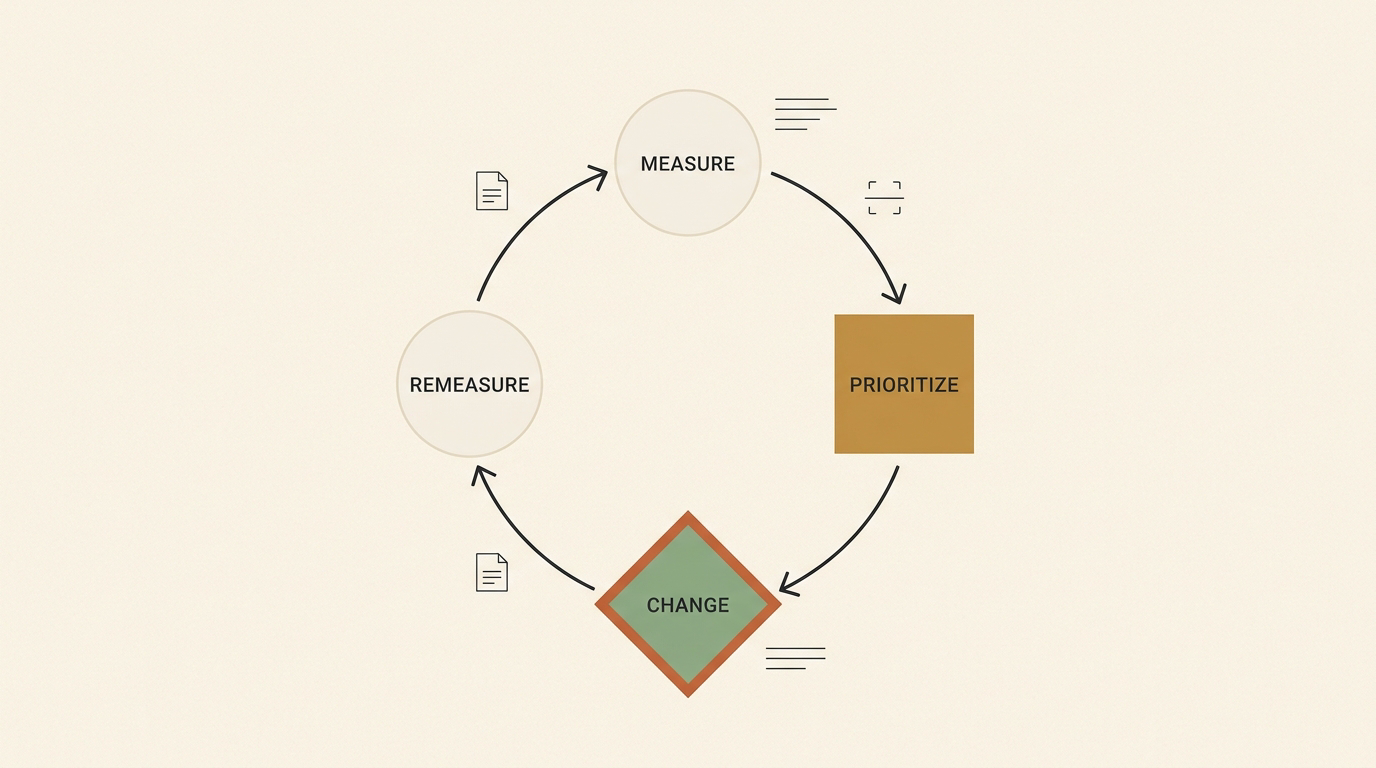
A practical AEO workflow: measure, prioritize, change, remeasure
A four-step AEO workflow for small teams that connects technical checks, audience evidence, answer-engine observations, and deliberate changes.