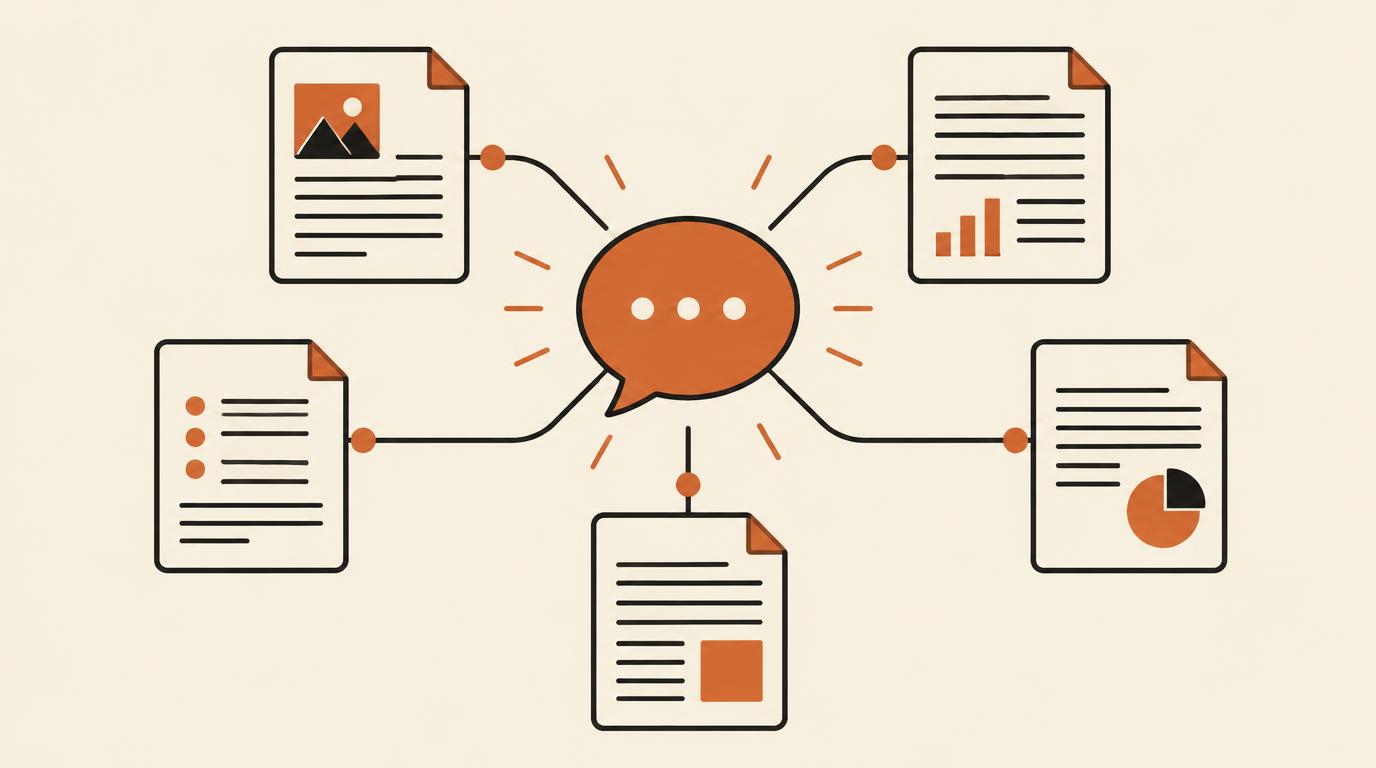
Nobody outside the providers knows exactly how each AI search engine chooses its sources, and the methods change. But some signals are clearly within your control. Here are six.
1. The page can be fetched and read
Blocked crawlers, heavy client-only rendering and broken redirects all make a page harder to use. Run the crawler readability check.
2. The page answers a specific question
Pages that answer one question clearly are easier to quote than pages that try to cover everything.
3. Facts are stated plainly
Who the product is for, what it does and what it costs, written in plain sentences. Structured data helps here too.
4. Other sites agree with you
Mentions on independent sites back up what you say about yourself. There's more in citations vs mentions.
5. Your positioning is consistent
If your homepage, docs and blog describe different audiences, summaries will mix them up. Our own demo scan shows the audience heyEO's site signals, which we compare with the audience we intended.
6. You measure instead of assuming
The only way to know if you're being named is to ask the questions and record the answers, including the times nobody answers. See how answer engines decide which brands to name.